
Carney's $142B Economic Gamble: Can Canada Build Growth Without Deepening Its Debt?
Budget 2026 promises new investment, jobs and affordability relief, but rising borrowing costs raise questions about Canada's financial future.
OTTAWA, November 5, 2026 :- Prime Minister Mark Carney's government has unveiled an ambitious federal budget featuring $142.1 billion in new spending, tax incentives and other measures over five years, betting that investment and productivity gains will help build a stronger Canadian economy.
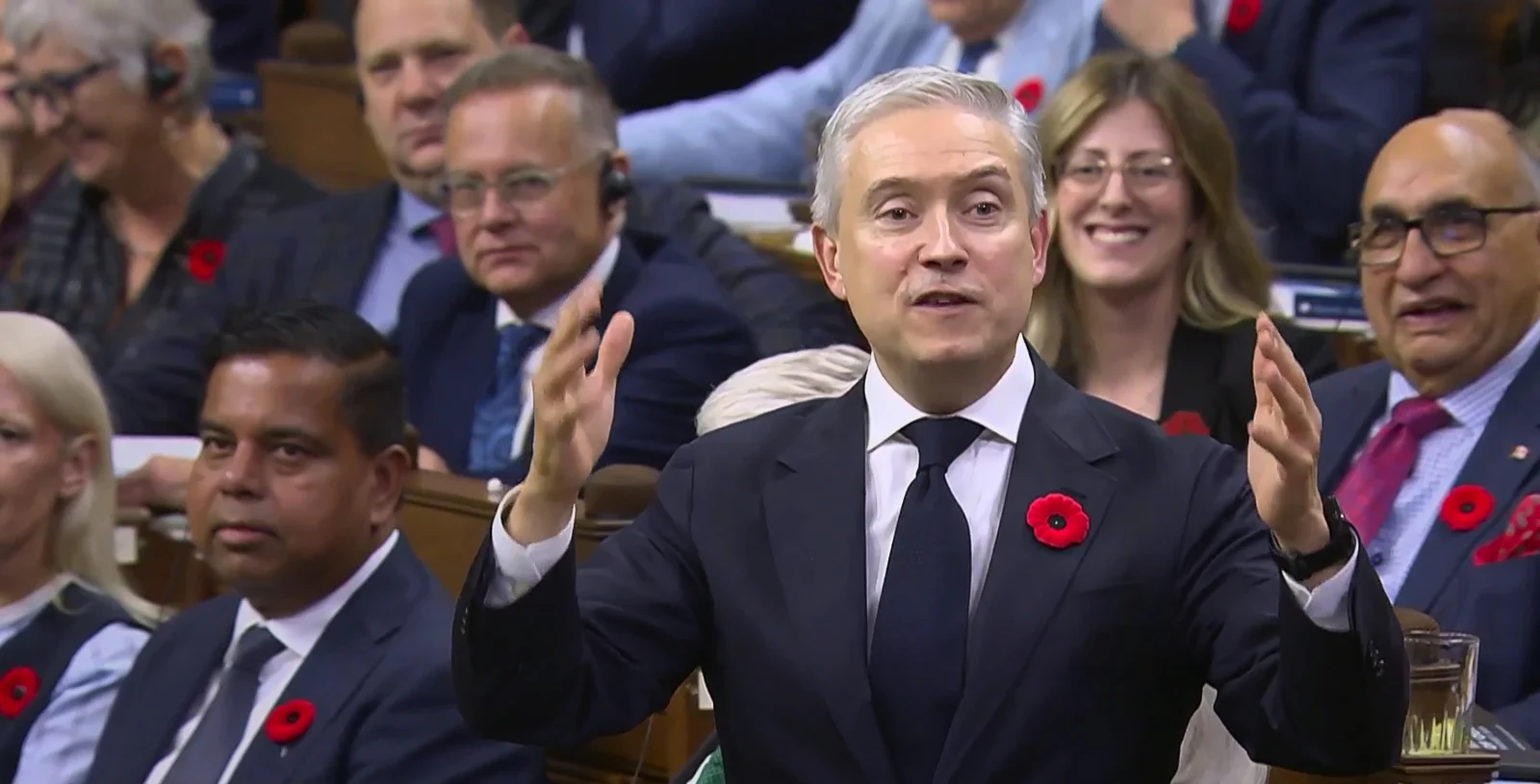
Finance Minister François-Philippe Champagne tabled Budget 2026 in the House of Commons on Thursday, presenting a plan focused on attracting private investment, expanding infrastructure, supporting Canadian industries and easing financial pressure on households.
But the government's strategy comes with a significant price tag.
Ottawa projects a $62.3-billion deficit for the 2026–27 fiscal year. While that is approximately $3 billion lower than projected in the spring, deficits are expected to remain above $50 billion annually through 2030–31, with no projected return to an overall balanced budget.
-Rising Debt Costs Raise Concerns
One of the budget's most striking figures involves the growing cost of servicing Canada's federal debt.
Debt charges are projected to reach $60.2 billion this fiscal year, compared with approximately $57.4 billion in federal Canada Health Transfer payments to provinces and territories. The comparison does not represent total health-care spending, but it highlights how borrowing costs are consuming an increasing share of federal resources.
Economists warn that higher debt-servicing expenses could limit Ottawa's flexibility to respond to future economic shocks, fund public services or introduce additional affordability measures.
The government argues that Canada's fiscal position remains manageable and that borrowing for productive investments can strengthen the economy over time.
Major Push for Business Investment
The budget's largest new measure is the $36.1-billion Productivity Mega Deduction, designed to encourage businesses to invest in machinery, equipment, technology and productive infrastructure. The government hopes faster tax write-offs will attract investment, improve competitiveness and generate higher-paying jobs.
Other priorities include energy infrastructure, critical minerals, electricity capacity, innovation and efforts to reduce Canada's economic dependence on the United States.
Carney's government says the objective is to mobilize private capital rather than rely solely on government spending to generate growth.
However, the success of that strategy will depend on whether companies respond with substantial new investment.
Affordability Remains a Priority
The budget also includes measures aimed at Canadians struggling with everyday expenses. Ottawa is proposing an additional $4.6 billion for grocery and essentials benefits, including a one-time supplement for more than 12 million low- and modest-income Canadians.
Housing is another major priority, with $11.2 billion proposed over four years beginning in 2027–28 to help put Canada on a path toward ending homelessness within a decade. The government is also advancing investments in Indigenous communities, including housing, water infrastructure, education and support for families.
A High-Stakes Economic Bet
Supporters argue Canada needs decisive investment to improve productivity, protect jobs and compete internationally amid trade uncertainty.
Critics question whether continued deficits and rising debt charges are sustainable, particularly if projected economic growth fails to materialize.
The central challenge for Carney is translating billions in announced measures into measurable improvements in wages, employment, housing affordability and Canada's long-term competitiveness. For Canadians, the real test will not be how much Ottawa spends, but whether those investments deliver tangible economic results.
**Is Carney building a stronger Canadian economy, or placing a heavier debt burden on future generations?**